Essential SEO Tips for Complete Beginners in 2026
- rajbhatt2070
- Jun 6
- 5 min read
Updated: 6 days ago
In the digital age, having a website is just the beginning. To truly succeed online, you need to ensure that your site is visible to your target audience. This is where Search Engine Optimization (SEO) comes into play. If you’re new to the world of SEO, it can seem overwhelming. But don’t worry! This guide will break down essential SEO tips that every beginner should know in 2026.
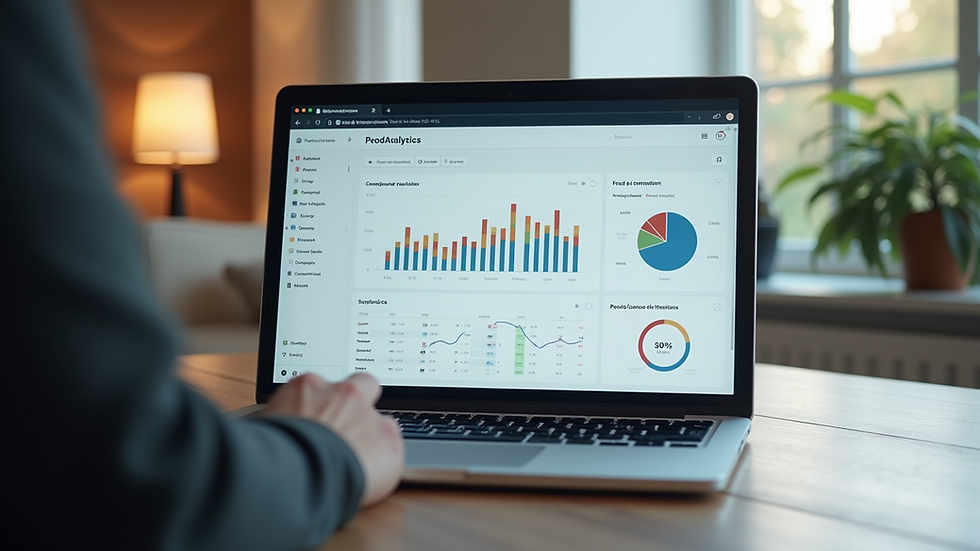
Before diving into specific tips, it’s crucial to understand what SEO is. At its core, SEO is the practice of optimizing your website to rank higher in search engine results pages (SERPs). This involves various strategies and techniques that help search engines understand your content better.
Increased Visibility: Higher rankings lead to more visibility, which can result in increased traffic to your site.
Credibility and Trust: Websites that rank higher are often perceived as more credible by users.
Cost-Effective Marketing: Compared to paid advertising, organic traffic through SEO can be more sustainable and cost-effective.
Keyword Research: The Foundation of SEO
One of the first steps in any SEO strategy is keyword research. Keywords are the terms and phrases that users type into search engines. Understanding what your audience is searching for can help you create content that meets their needs.
Tools for Keyword Research
Google Keyword Planner: A free tool that helps you find keywords related to your business.
Ubersuggest: Offers keyword suggestions and insights into search volume and competition.
Answer the Public: Visualizes search questions and suggested keywords based on a specific topic.
Choosing the Right Keywords
When selecting keywords, consider the following:
Relevance: Ensure the keywords are relevant to your content.
Search Volume: Look for keywords that have a decent search volume but are not overly competitive.
Long-Tail Keywords: These are longer phrases that are more specific and often easier to rank for. For example, instead of targeting "shoes," you might target "best running shoes for flat feet."
On-Page SEO: Optimizing Your Content
Once you have your keywords, it’s time to optimize your content. On-page SEO refers to the elements on your website that you can control.
Title Tags and Meta Descriptions
Title Tags: This is the title of your webpage that appears in search results. Include your primary keyword and keep it under 60 characters.
Meta Descriptions: A brief summary of your page that appears below the title in search results. Aim for 150-160 characters and include your keyword.
Header Tags
Using header tags (H1, H2, H3) helps organize your content and makes it easier for search engines to understand.
H1: Use for your main title (only one per page).
H2: Use for main sections.
H3: Use for subsections.
Content Quality
Creating high-quality, engaging content is essential. Here are some tips:
Write for Your Audience: Understand their needs and create content that addresses their questions.
Use Keywords Naturally: Avoid keyword stuffing. Instead, incorporate keywords naturally into your content.
Include Internal and External Links: Link to other relevant pages on your site and reputable external sources to provide additional value.
Technical SEO: The Behind-the-Scenes Work
Technical SEO involves optimizing the backend of your website to improve its performance and usability.
Website Speed
A slow website can lead to high bounce rates. Use tools like Google PageSpeed Insights to analyze your site’s speed and get recommendations for improvement.
Mobile-Friendliness
With more users accessing the web via mobile devices, having a mobile-friendly site is crucial. Use responsive design to ensure your site looks good on all devices.
An XML sitemap helps search engines understand the structure of your website. It’s a roadmap that guides them to all your important pages. Make sure to submit your sitemap to Google Search Console.
Off-Page SEO: Building Authority
Off-page SEO refers to actions taken outside your website to improve its authority and ranking.
Backlinks
Backlinks are links from other websites to yours. They are a significant ranking factor because they signal to search engines that your content is valuable. Here’s how to build backlinks:
Guest Blogging: Write articles for other websites in your niche and include a link back to your site.
Social Sharing: Share your content on social media to increase visibility and encourage others to link to it.
Networking: Connect with other bloggers and website owners in your industry to build relationships that can lead to backlinks.
Online Reviews
Encourage satisfied customers to leave positive reviews on platforms like Google My Business. Reviews can enhance your credibility and improve local SEO.
Local SEO: Targeting Your Community
If you have a local business, optimizing for local SEO is essential. This involves strategies that help your business appear in local search results.
Google My Business
Claim and optimize your Google My Business listing. Ensure your information is accurate, including your address, phone number, and business hours.
Local Keywords
Incorporate local keywords into your content. For example, instead of just "pizza," use "best pizza in [Your City]."
Local Citations
Ensure your business is listed in local directories and that your information is consistent across all platforms.
Measuring Your SEO Success
To know if your SEO efforts are paying off, you need to measure your success. Here are some key metrics to track:
Organic Traffic
Use Google Analytics to monitor the amount of traffic coming from organic search. Look for trends over time to see if your efforts are working.
Keyword Rankings
Track your keyword rankings using tools like SEMrush or Ahrefs. This will help you understand how well your pages are performing in search results.
Bounce Rate
A high bounce rate may indicate that visitors are not finding what they expected. Analyze your content and make necessary adjustments to keep users engaged.
Staying Updated with SEO Trends
SEO is constantly evolving. To stay ahead, keep an eye on the latest trends and updates in the industry. Follow reputable SEO blogs and forums to stay informed.
Resources for Learning
Moz Blog: Offers insights and tips on SEO best practices.
Search Engine Journal: Provides the latest news and trends in SEO.
Neil Patel’s Blog: Features practical tips and strategies for improving your SEO.
Final Thoughts
SEO may seem overwhelming at first, but with the right strategies and consistent effort, you can improve your website’s visibility and attract more visitors. Start by focusing on keyword research, optimizing your content, and building authority through backlinks. Remember, SEO is a long-term game, so be patient and keep learning.
By implementing these essential SEO tips, you’ll be well on your way to mastering the art of search engine optimization in 2023. Take action today and watch your online presence grow!
1 TIP to takeaway from this article is just start a website on Wix and move up from there, this will give hands-on knowledge whether you have been watching learning guides or not, as it will give clear examples for you to use. This will make the SEO learning basics more clear as you will have visuale idea of your own website.


Comments